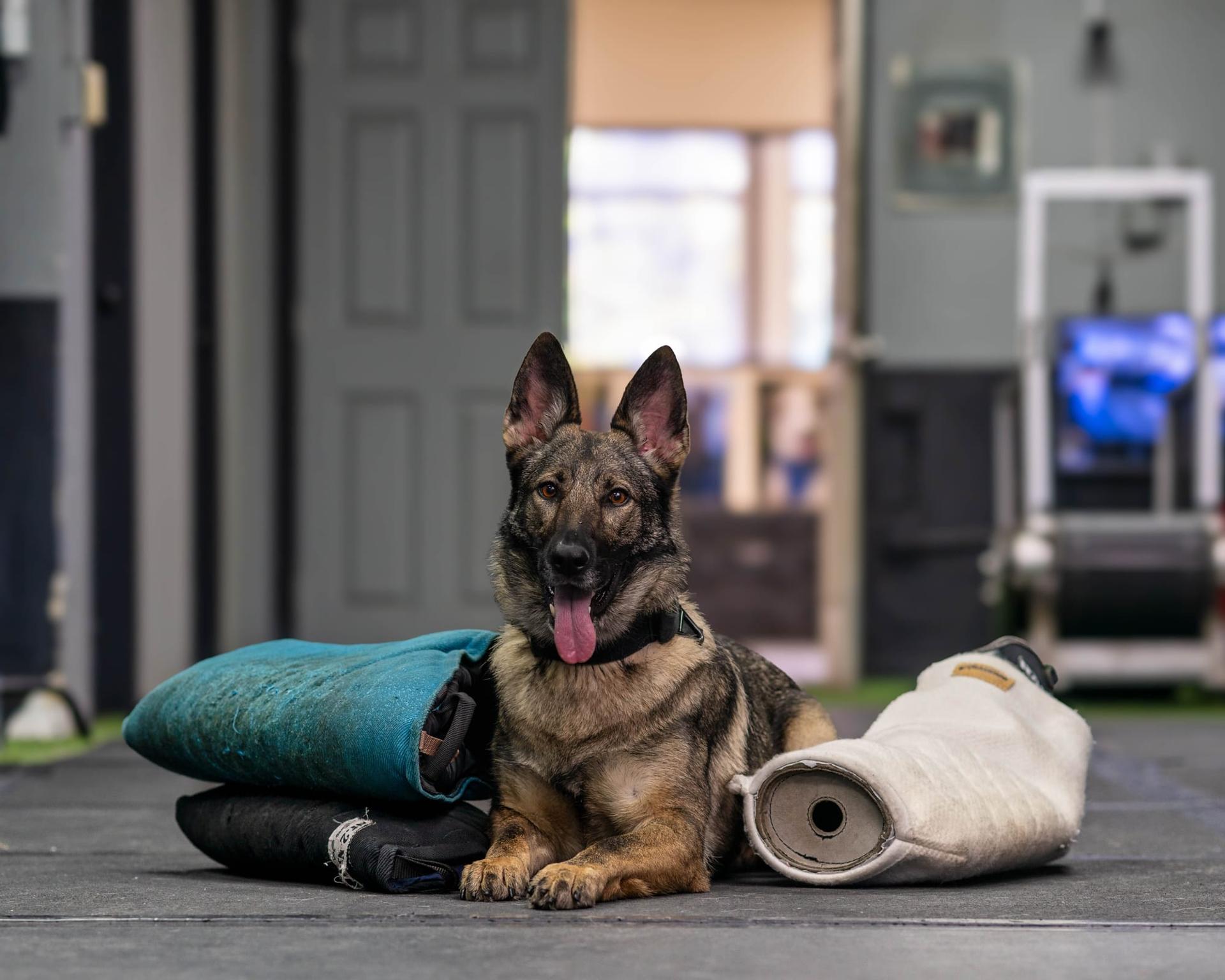
When life feels hard
Behavior modification for reactive, aggressive & anxious dogs
Lunging at other dogs. Growling over the food bowl. Panic when you leave. These are some of the hardest things to live with — and more common than most owners realize. We start by understanding why it’s happening, then build a plan you can actually carry out.
“He focuses his training and instilling the fundamentals on me training Buddy.”
01Sound familiar?
Where owners usually start.
- Your dog lunges or barks at dogs or people on leash
- Food, toys or the couch get guarded with a growl or a snap
- There’s been a bite — or a very close call
- Being left alone brings barking, destruction or panic
- Barking at every noise is wearing the household down
- New places make your dog shut down or try to flee
02What we build
Inside behavior modification.
- 01
Safety & management
Immediate changes at home and on walks that reduce risk while training gets underway.
- 02
Triggers & thresholds
Mapping what sets your dog off, at what distance, and what the early warning signs look like.
- 03
A better answer
Teaching what to do instead — check in, move away, go to place — and making it worth doing.
- 04
Handler mechanics
Leash handling, positioning and timing so you can help your dog in the moment.
- 05
Gradual exposure
Practicing near triggers at a level your dog can handle, then carefully closing the gap.
- 06
A long-term plan
Complex behaviors need ongoing commitment. You leave with a plan you can maintain.
03See it
Pressure vs. foundations, on a walk.
Fig. 02 — Walk Lab
Educational visualization · not an assessment
Drag across the scene, or use the slider.
Without foundations, moderate pressure pulls attention away fast and the leash goes tight.
- Engagement
- —
- Leash tension
- —
- Distance to distraction
- —
- Recovery
- —
If your dog has bitten
Tell us in the intake — it helps us plan a safe first session. Until then, focus on management: avoid situations that have led to bites, keep people and other animals safely separated when you can’t supervise, and talk with your veterinarian. If someone is at immediate risk, contact local animal control or emergency services.
04What to expect
Honest expectations.
- 01
Training Match
Two minutes online or a phone call. Tell us what’s going on.
- 02
Free evaluation
In person, with your dog. Your trainer discusses your goals, your dog’s history and daily life.
- 03
Customized plan
A program built around your dog — private sessions, plus group sessions where they help.
- 04
Proofing
Skills practiced with real-world distractions until they hold.
- 05
Transfer
You learn to run it. Your participation is what makes it last.
Free · In person
Start with a free evaluation.
Every behavior modification plan starts in person. Bring your dog, meet a trainer and talk through what’s going on — your trainer recommends a plan and explains why, before you pick a package.
- Cost
- Free
- Where
- In person, with your dog
- When
- Tuesday–Saturday, by appointment only
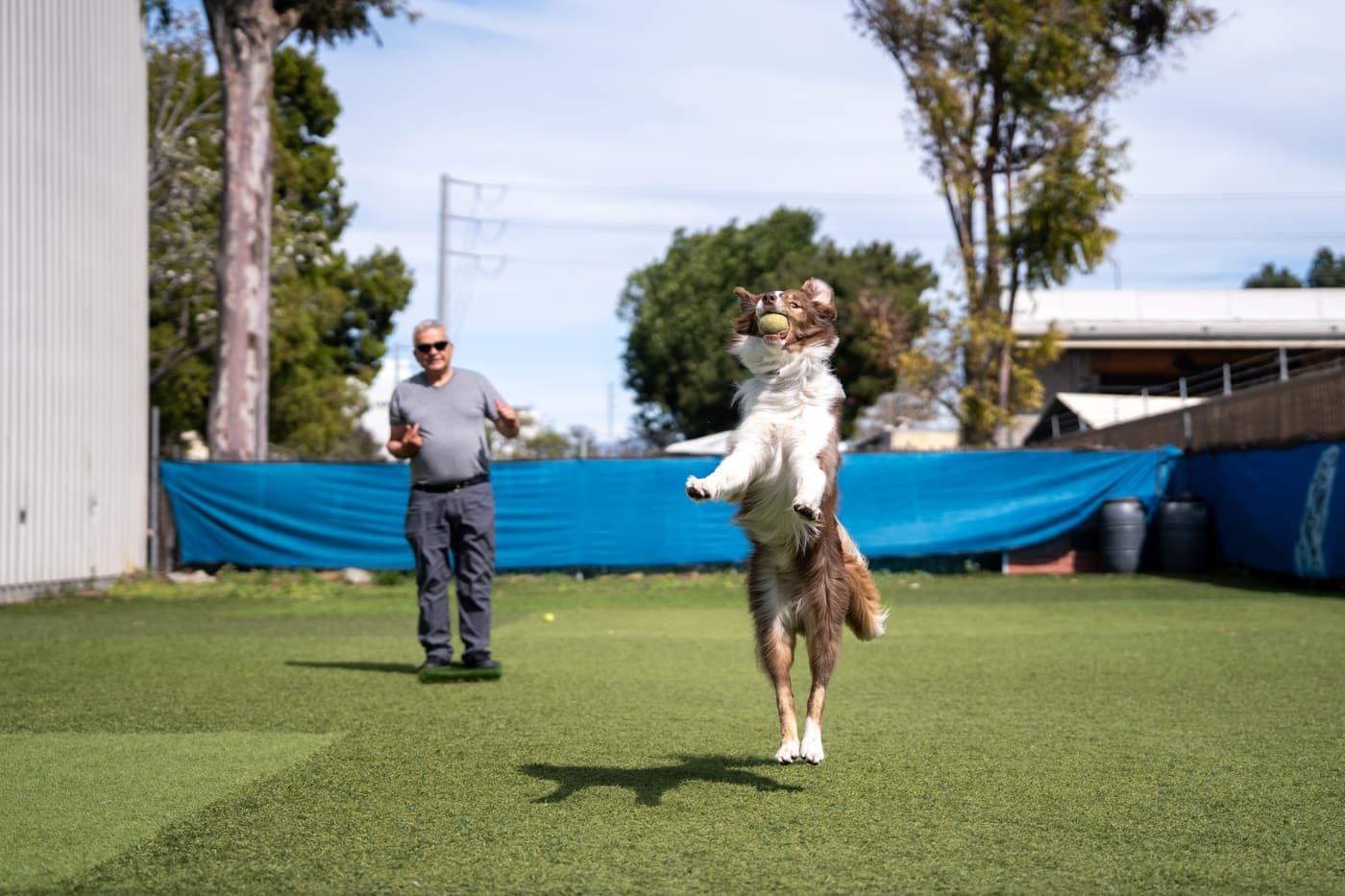
Private field rental
No backyard? Rent our field.
A private, fenced half acre where only your group is in the field during your visit.
Rated 4.9 out of 5· 1,700+ reviews on Sniffspot
Prefer to start at home?
The online version.
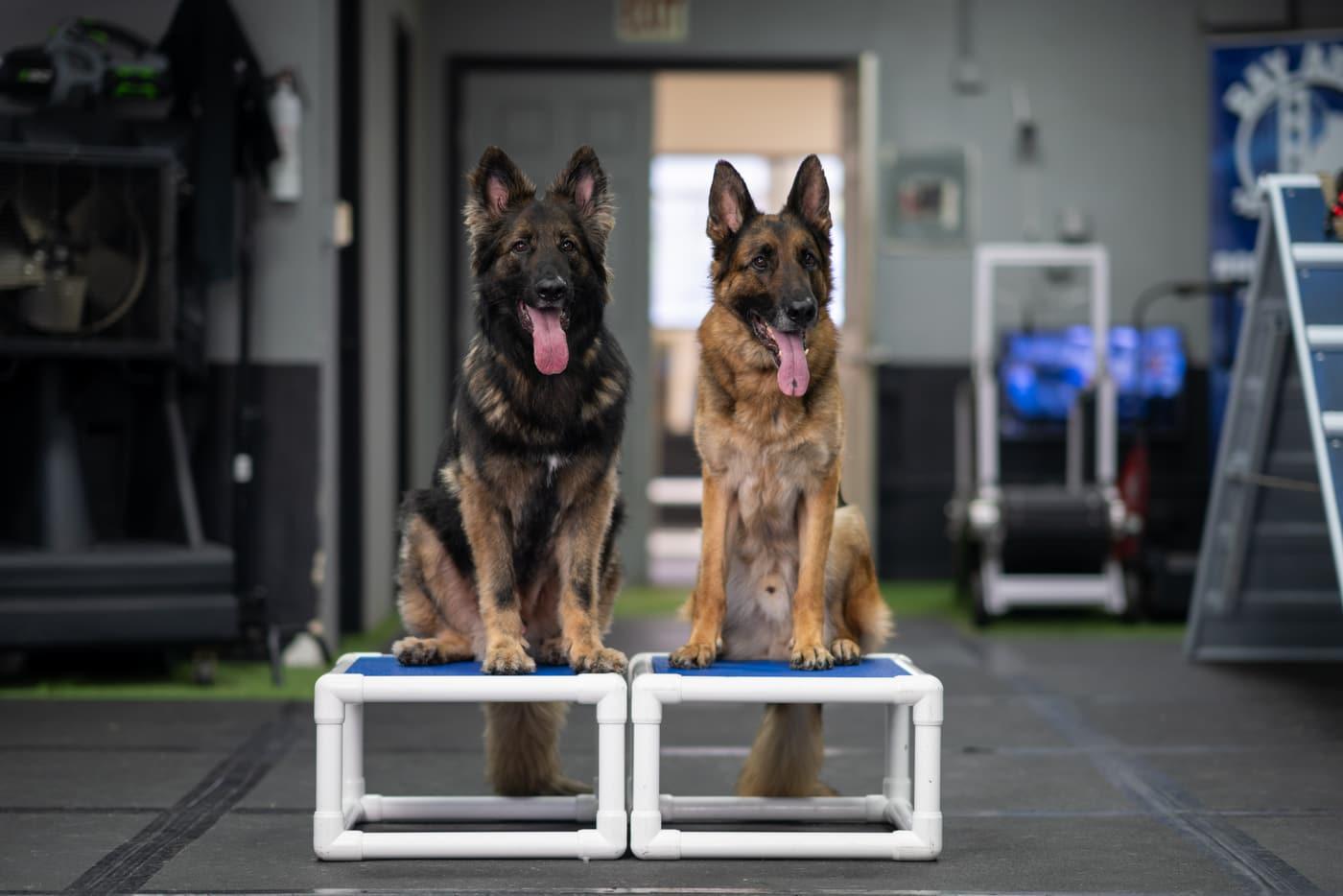 Online program
The Reactive Dog Roadmap
Calmer walks past dogs and people — and a plan for the hard moments.
From $179or start with the Reactive Walk Survival Kit · $49
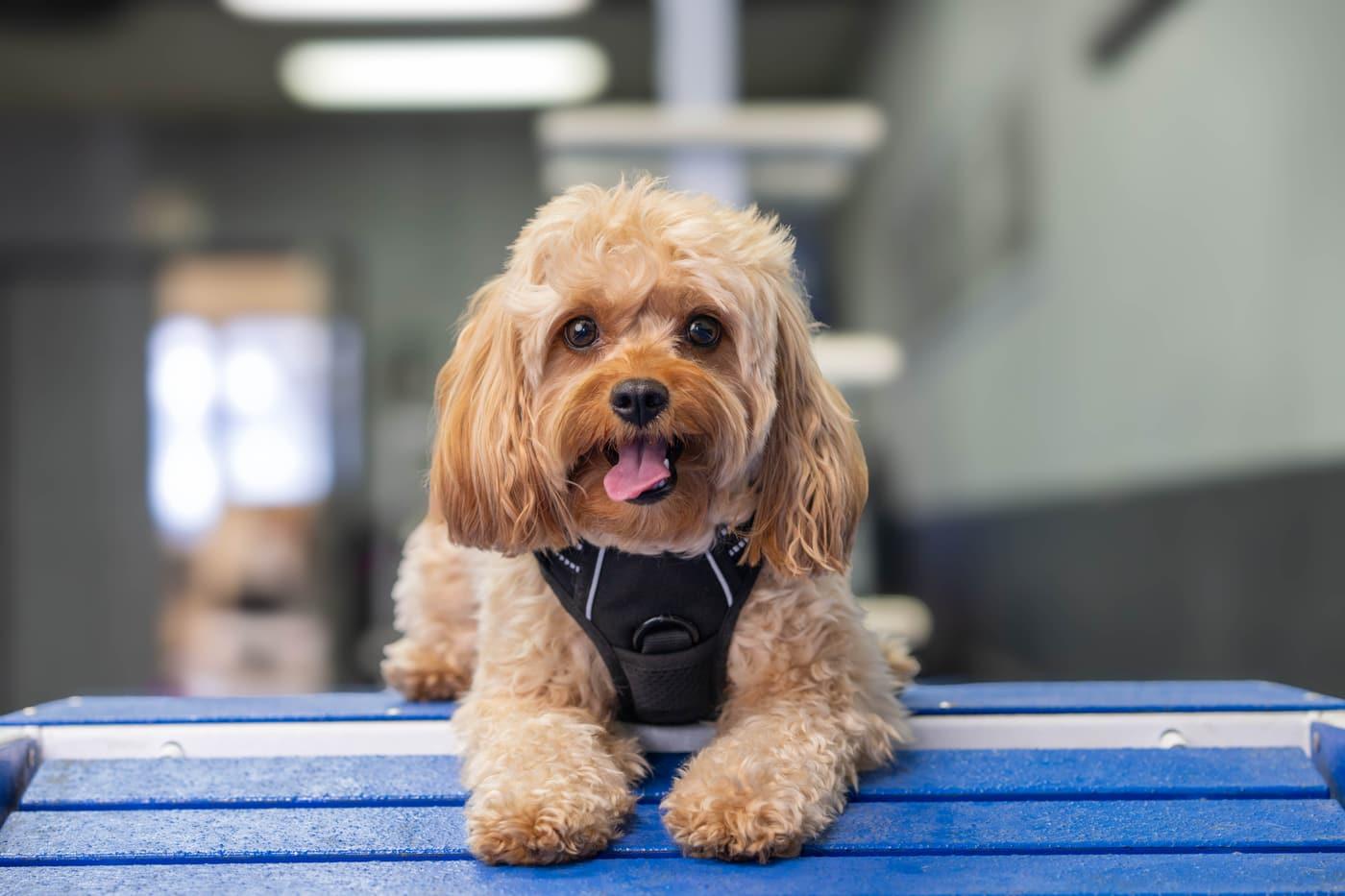 Online program
The Calm & Confident Dog Plan
Steadier alone time, braver outings and easier vet visits — at your dog’s pace.
From $149or start with the Alone-Time Starter Plan · $39
“He focuses his training and instilling the fundamentals on me training Buddy.”
Questions
Behavior Modification: common questions
Can you guarantee my dog won’t bite again?
No — and you should be wary of anyone who does. Guaranteeing results would be unethical: a dog’s history, socialization, genetics, experiences and the owner’s follow-through all play a role. What we can do is give you a clear plan, honest feedback and the skills to reduce risk.
Are you a dog behaviorist?
We’re trainers who specialize in changing behavior day to day. Veterinary behaviorists are veterinarians who can diagnose medical and psychiatric conditions and prescribe medication. The two often work side by side — if your dog may need medical support, we’ll tell you.
Should I see my vet first?
If the behavior started suddenly, has changed recently, or your dog seems uncomfortable, yes. Pain and illness can drive irritability, guarding and fear, and ruling them out makes training more effective.
How long does behavior modification take?
It depends on the behavior, how long it has been practiced, your dog’s genetics and environment, and how consistently the plan is followed. After the evaluation we’ll give you a realistic picture rather than a number designed to sell a package.
Often combined with
Related programs
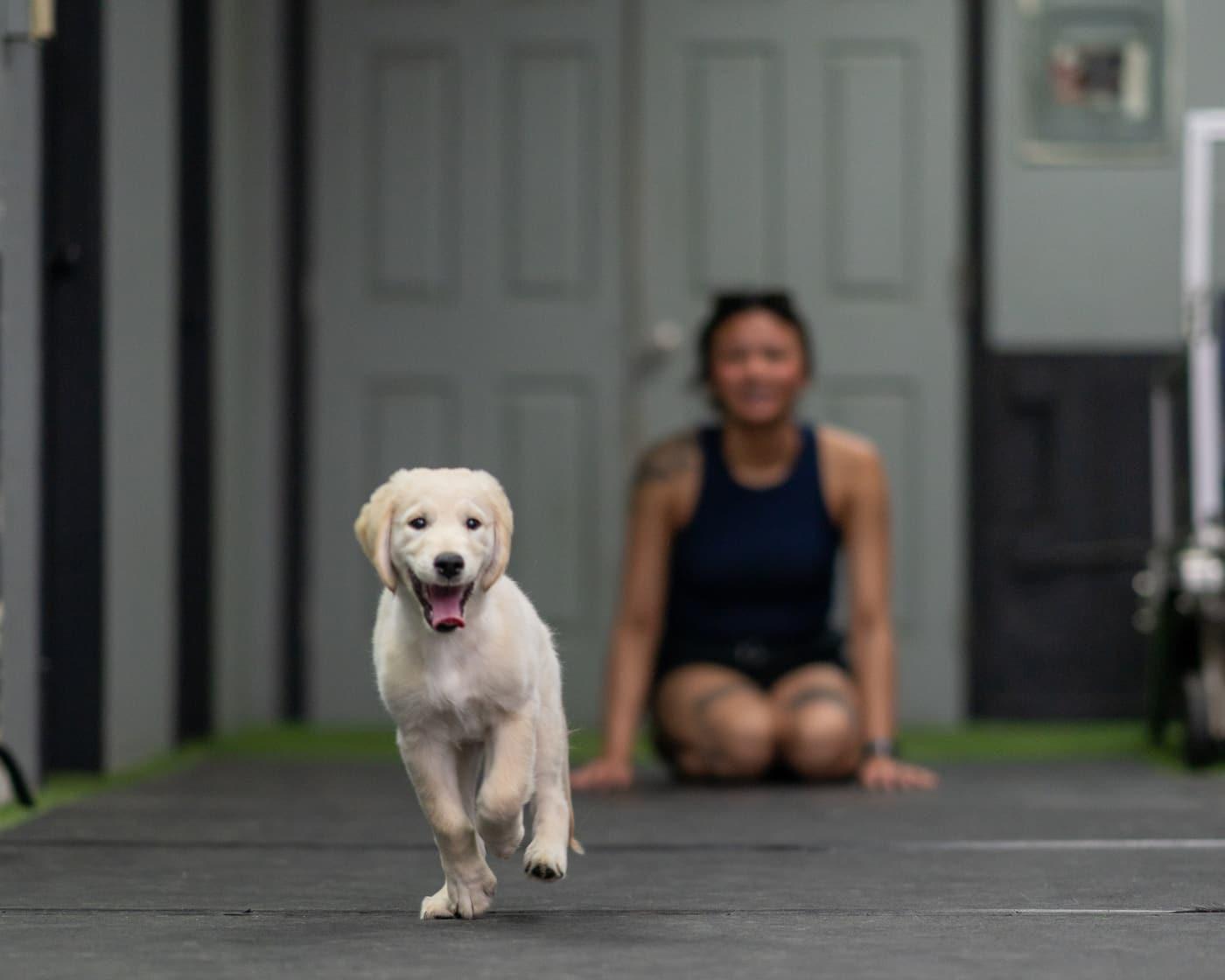 01 · Start right
Puppy Training
Biting, potty routines, crate comfort and leash foundations — before habits set.
Start here if“My puppy is biting, chewing and testing everything”
View program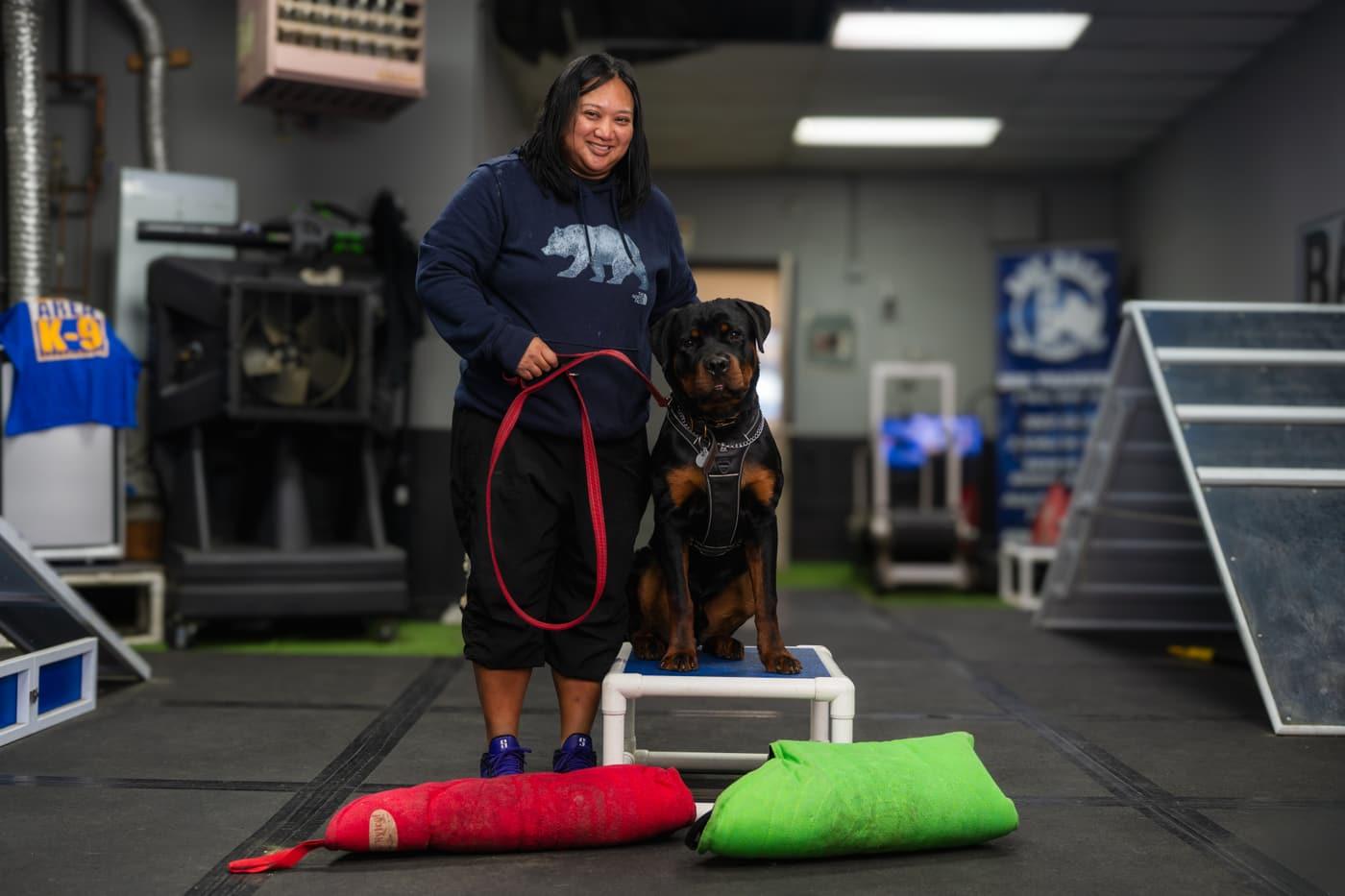 02 · Everyday reliability
Obedience Training
Heel, recall, place and calm door manners that work outside the training room.
Start here if“My dog listens at home and ignores me outside”
View program
Behavior Modification for owners in Santa Clara, San Jose, Sunnyvale, Cupertino, Mountain View and Los Gatos.