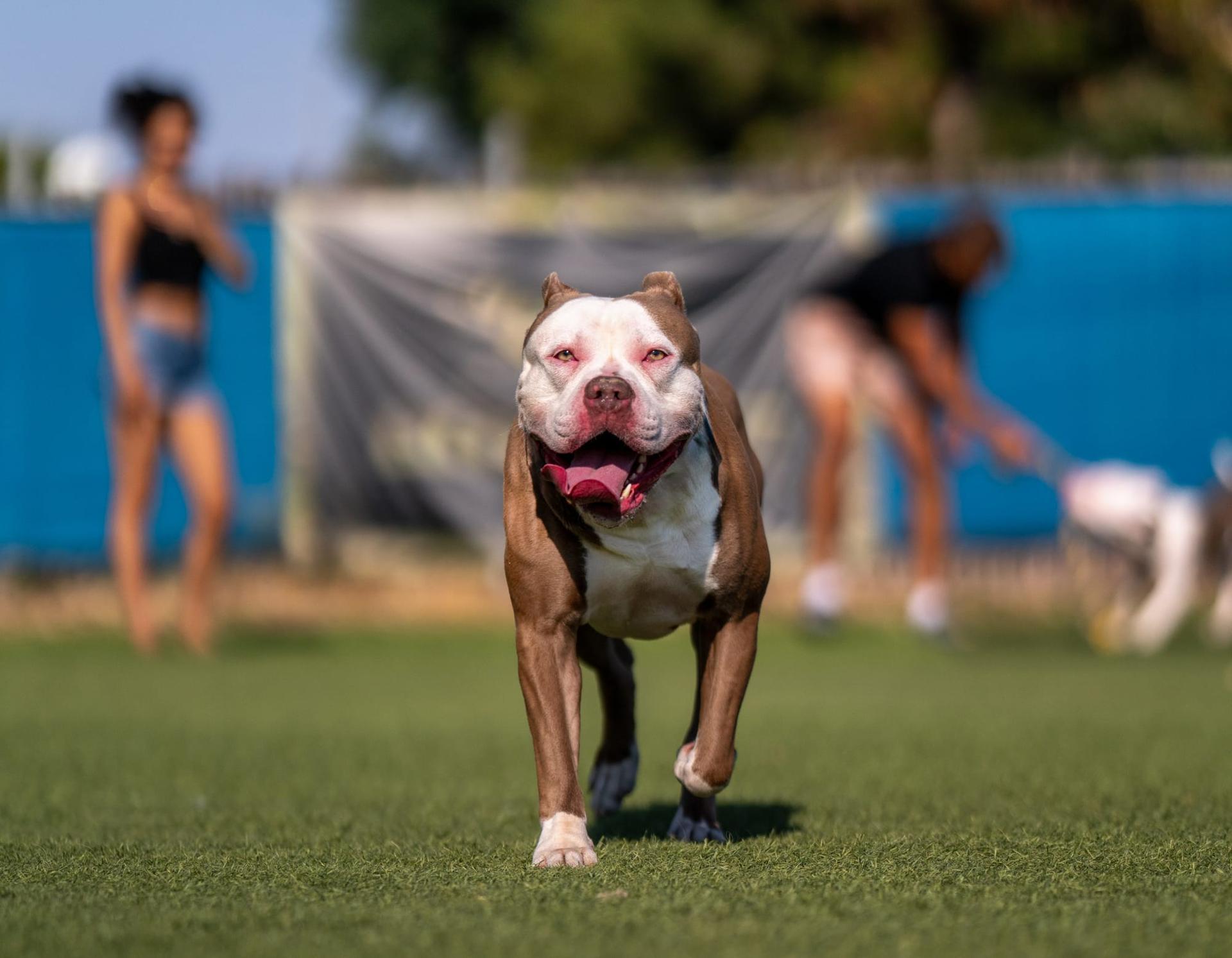
Earned freedom
Off-leash dog training in Santa Clara & San Jose
Off-leash freedom is earned in layers: a recall that works when it matters, commands at a distance and in motion, and the judgment to know where off-leash is appropriate — and legal.
“His technique is very methodical, and extremely powerful, 30 minute training to the point.”
01Sound familiar?
Where owners usually start.
- Recall works — until something more interesting appears
- You’d love trail time without white-knuckling the leash
- Your dog checks out the moment the leash comes off
- Commands fall apart at a distance
- Wildlife, joggers or other dogs win every time
02What we build
Inside off-leash training.
- 01
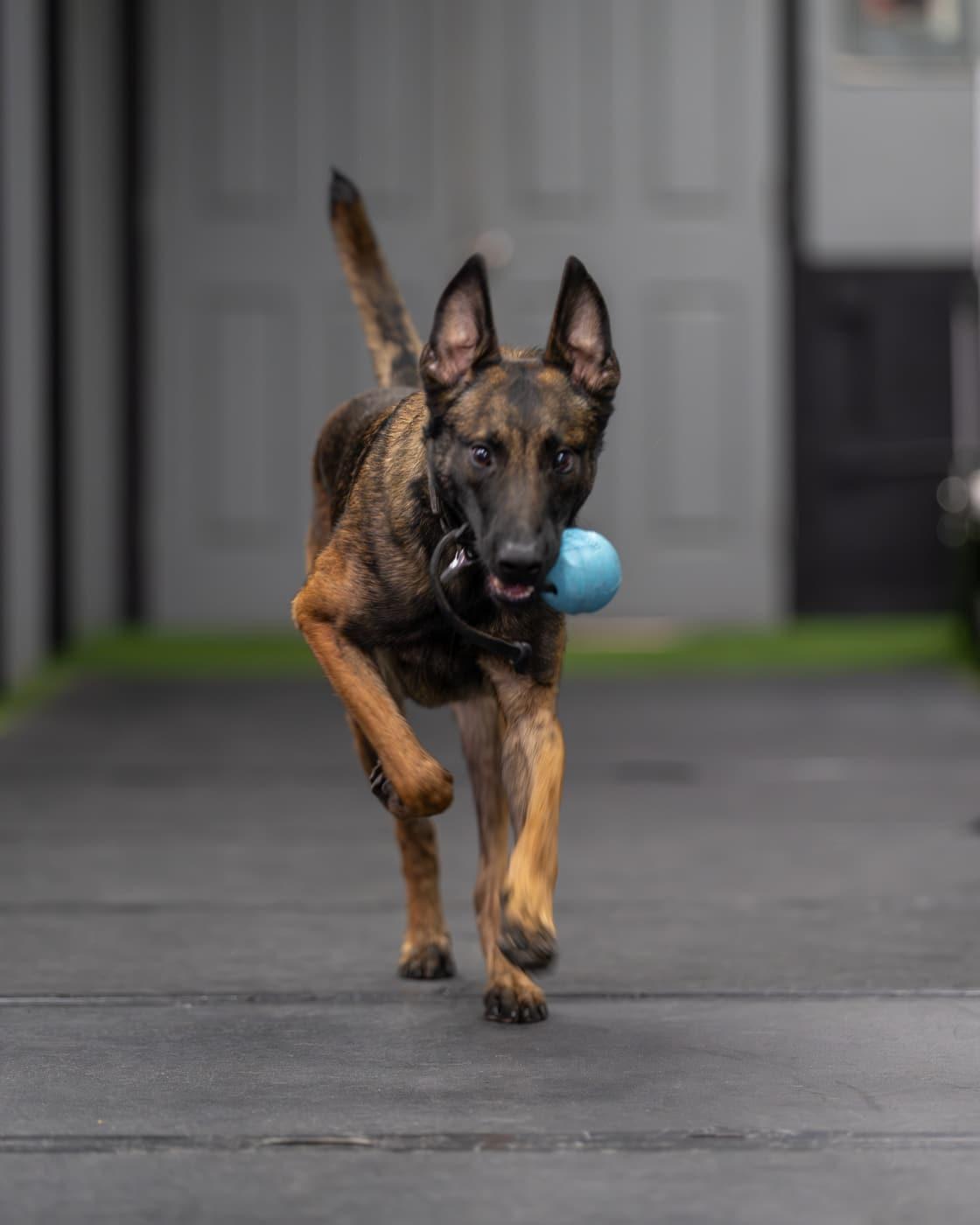
Recall under pressure
Coming back the first time, built through layers of distance and distraction.
- 02
Distance commands
Sit, down and stop at a distance — the skills that make off-leash safe.
- 03
Commands in motion
Responding while moving: yours, theirs, or both.
- 04
Impulse control
Choosing you over the chase, the smell, or the dog across the field.
- 05
Real-world distractions
Proofing in the places you’ll actually use the skill.
- 06
Long-line bridge
A long line keeps freedom and safety together while reliability is built.
03Proofing
Where skills have to hold.
Fig. 03 — Proofing Dial
Turn up the pressure
Drag the dial or use arrow keys.
Home: no foundation is under heavy load must hold.
Home
Familiar smells, known people, few surprises. Where new skills are taught.
South Bay example — Living room, hallway, backyard
- 30%
Attention
Checks in with you without being asked.
- 20%
Recall
Comes back the first time, away from what’s interesting.
- 40%
Place
Settles on a spot and stays relaxed there.
- 25%
Heel
Moves with you through turns, stops and tight spaces.
- 10%
Neutrality
Notices people, dogs and food — and lets them go.
04What to expect
Honest expectations.
- 01
Training Match
Two minutes online or a phone call. Tell us what’s going on.
- 02
Free evaluation
In person, with your dog. Your trainer discusses your goals, your dog’s history and daily life.
- 03
Customized plan
A program built around your dog — private sessions, plus group sessions where they help.
- 04
Proofing
Skills practiced with real-world distractions until they hold.
- 05
Transfer
You learn to run it. Your participation is what makes it last.
Free · In person
Start with a free evaluation.
Every off-leash training plan starts in person. Bring your dog, meet a trainer and talk through what’s going on — your trainer recommends a plan and explains why, before you pick a package.
- Cost
- Free
- Where
- In person, with your dog
- When
- Tuesday–Saturday, by appointment only
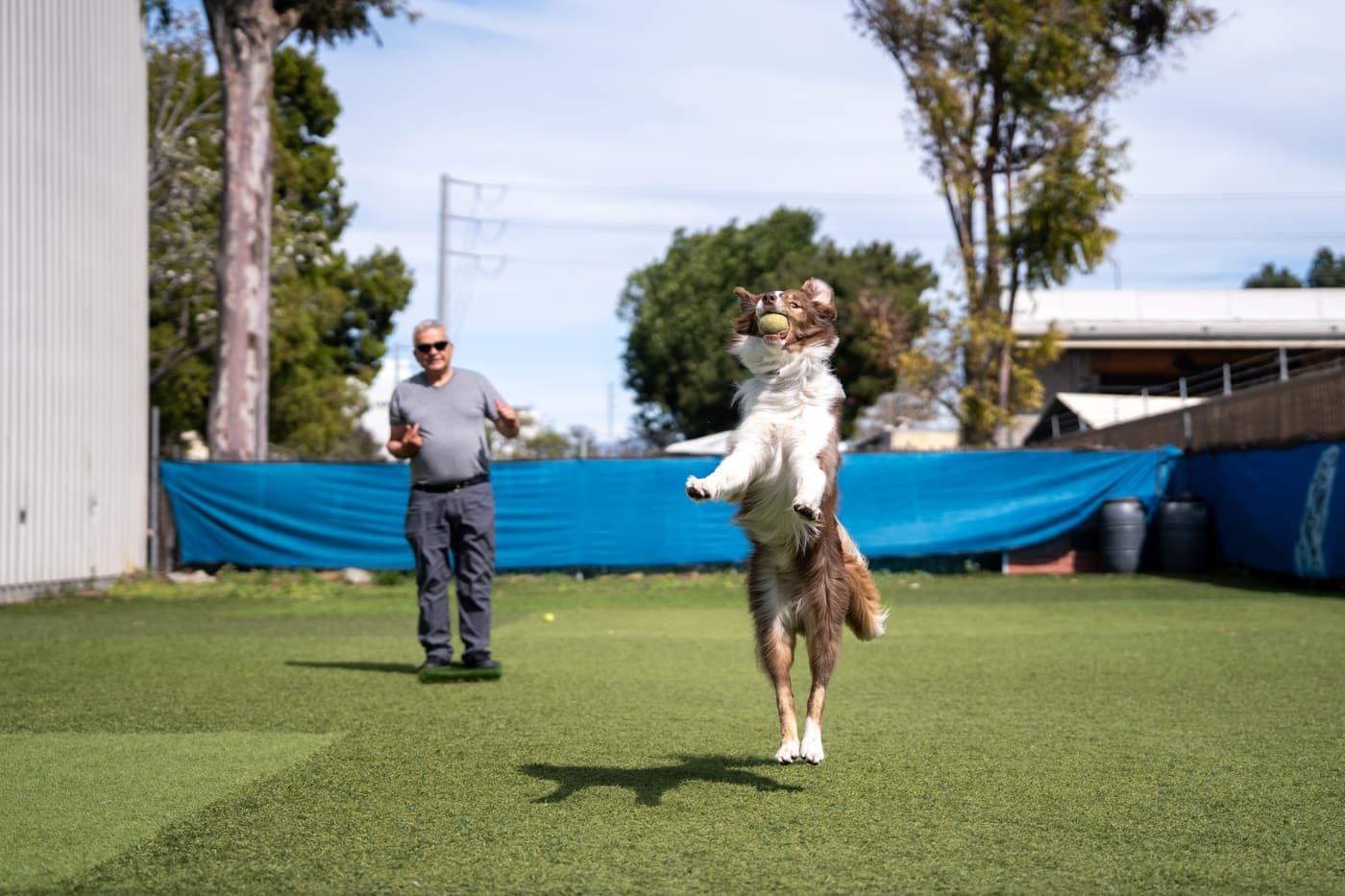
Private field rental
No backyard? Rent our field.
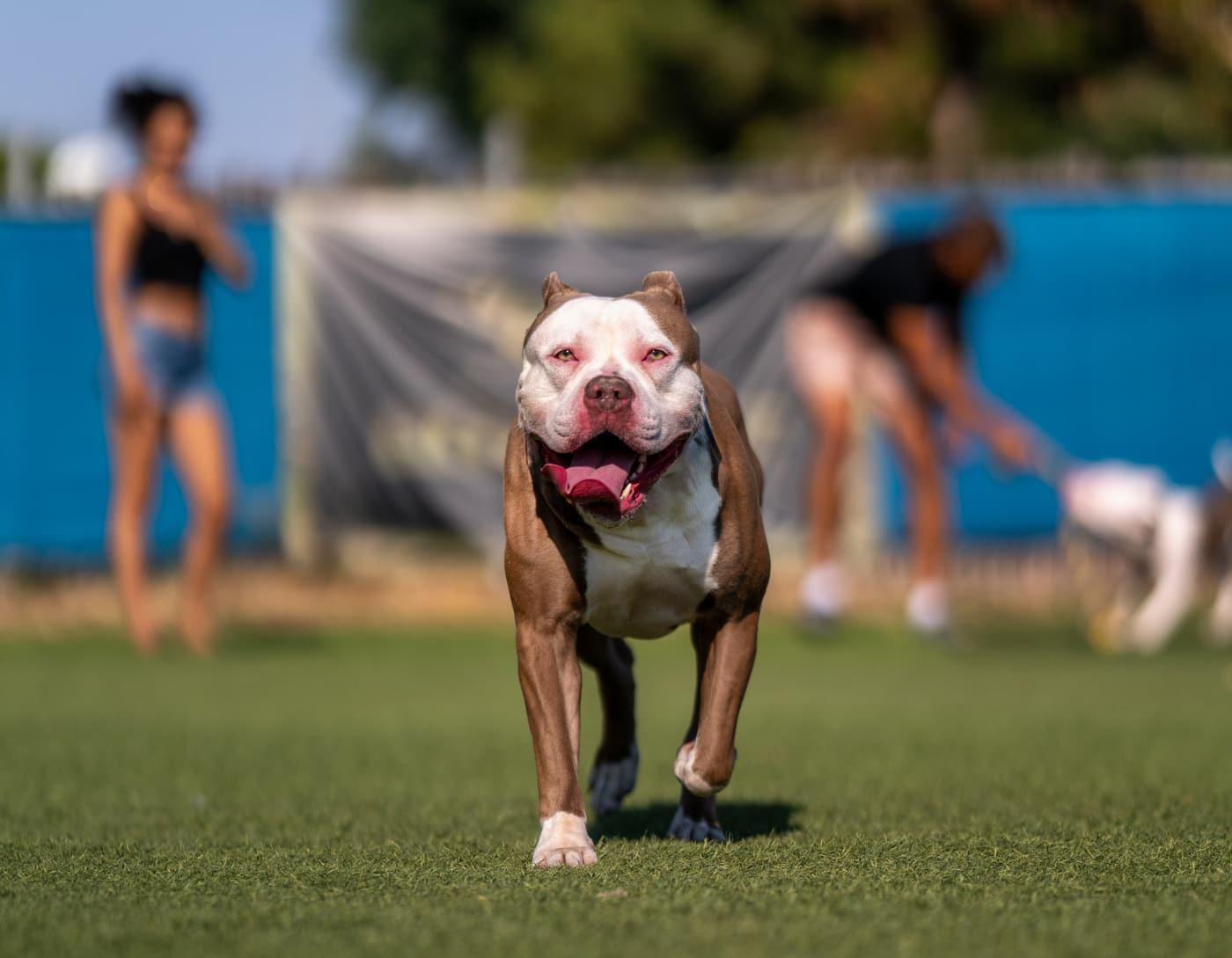
Practice recall inside a 6 ft+ fence, on half an acre of turf, yours by the hour.
Rated 4.9 out of 5· 1,700+ reviews on Sniffspot
Prefer to start at home?
The online version.
“His technique is very methodical, and extremely powerful, 30 minute training to the point.”
Questions
Off-Leash Training: common questions
Where do you practice off-leash?
Only where it’s allowed. Most South Bay city and county parks require dogs on a 6-foot leash outside designated off-leash areas, so we use fenced areas and long lines until skills are reliable. Our private fenced field in Santa Clara may be used for off-leash sessions.
Is my dog a good candidate?
Most dogs can build a much stronger recall. Whether off-leash time is a good idea depends on your dog’s motivation, history with chasing, and the places you want to go. We’ll talk through it honestly at your free evaluation.
What tools do you use?
Food is one reinforcer among several, and tools are chosen for the individual dog. We’ll explain exactly what we recommend — and why — before using anything.
Often combined with
Related programs
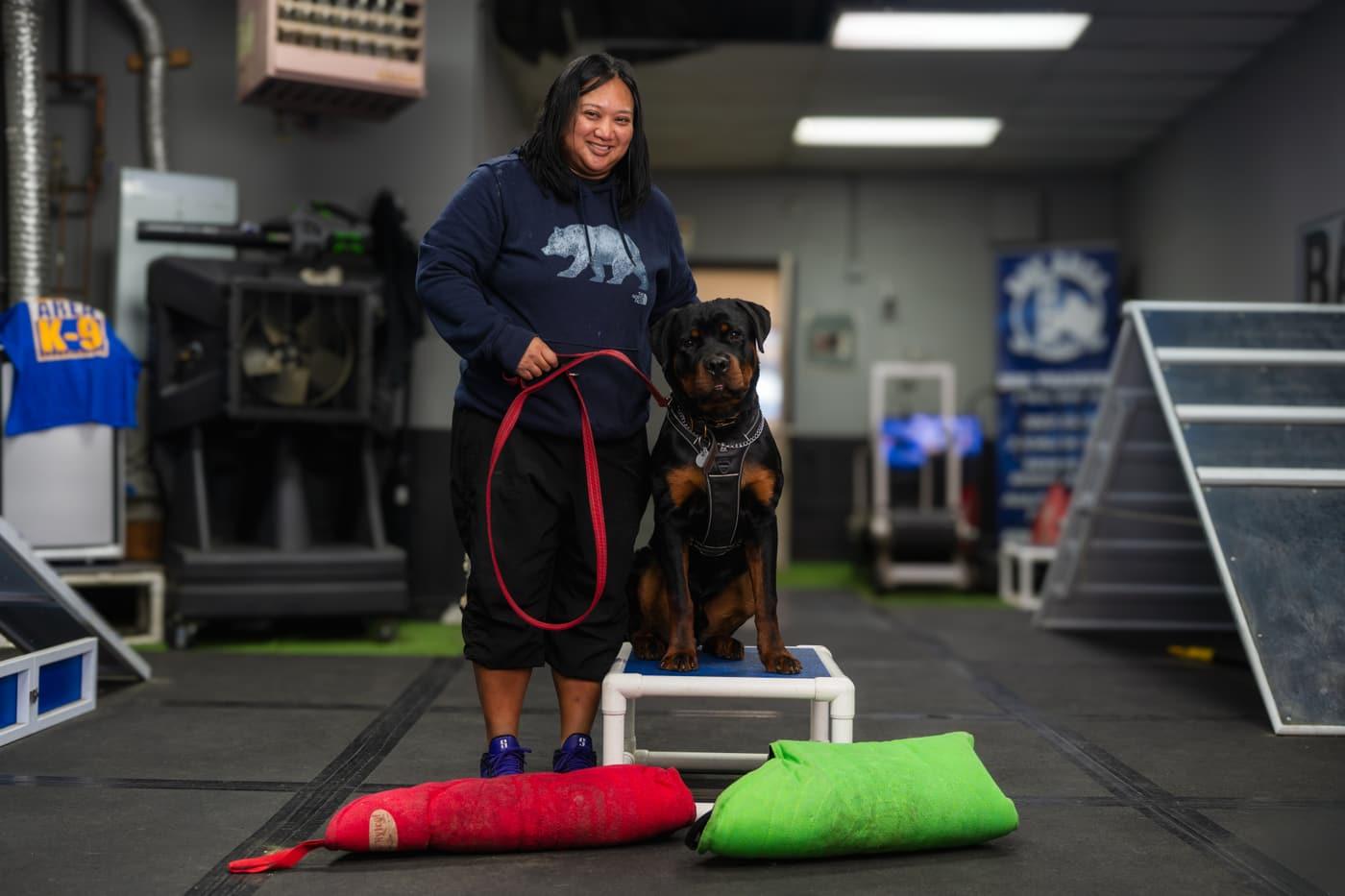 02 · Everyday reliability
Obedience Training
Heel, recall, place and calm door manners that work outside the training room.
Start here if“My dog listens at home and ignores me outside”
View program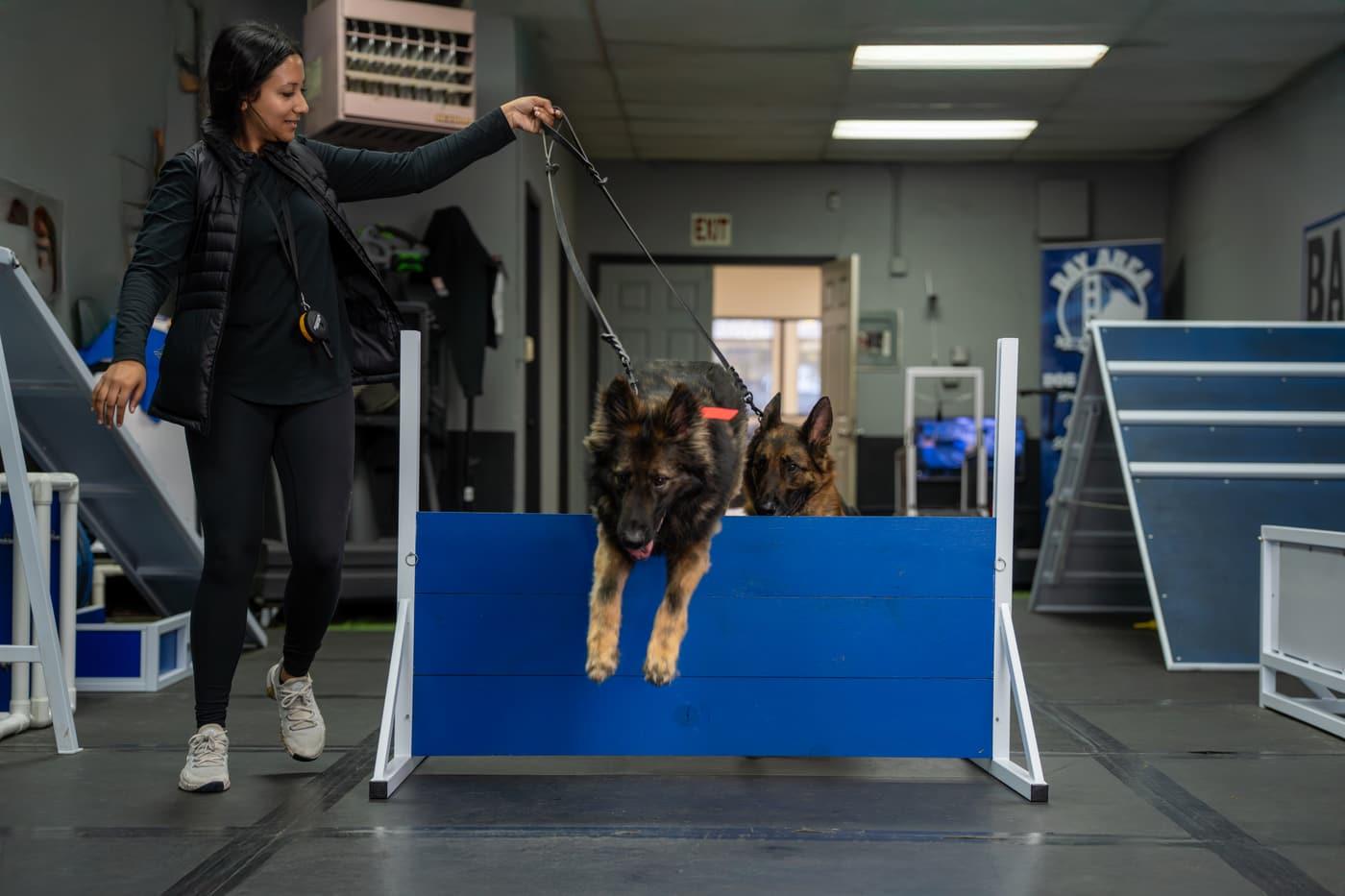 05 · Work together
Agility & Sport
Agility, scent work and trick training for confidence, focus and teamwork.
Start here if“My dog needs a job (and so do I)”
View program
Off-Leash Training for owners in Santa Clara, San Jose, Sunnyvale, Cupertino, Mountain View and Los Gatos.