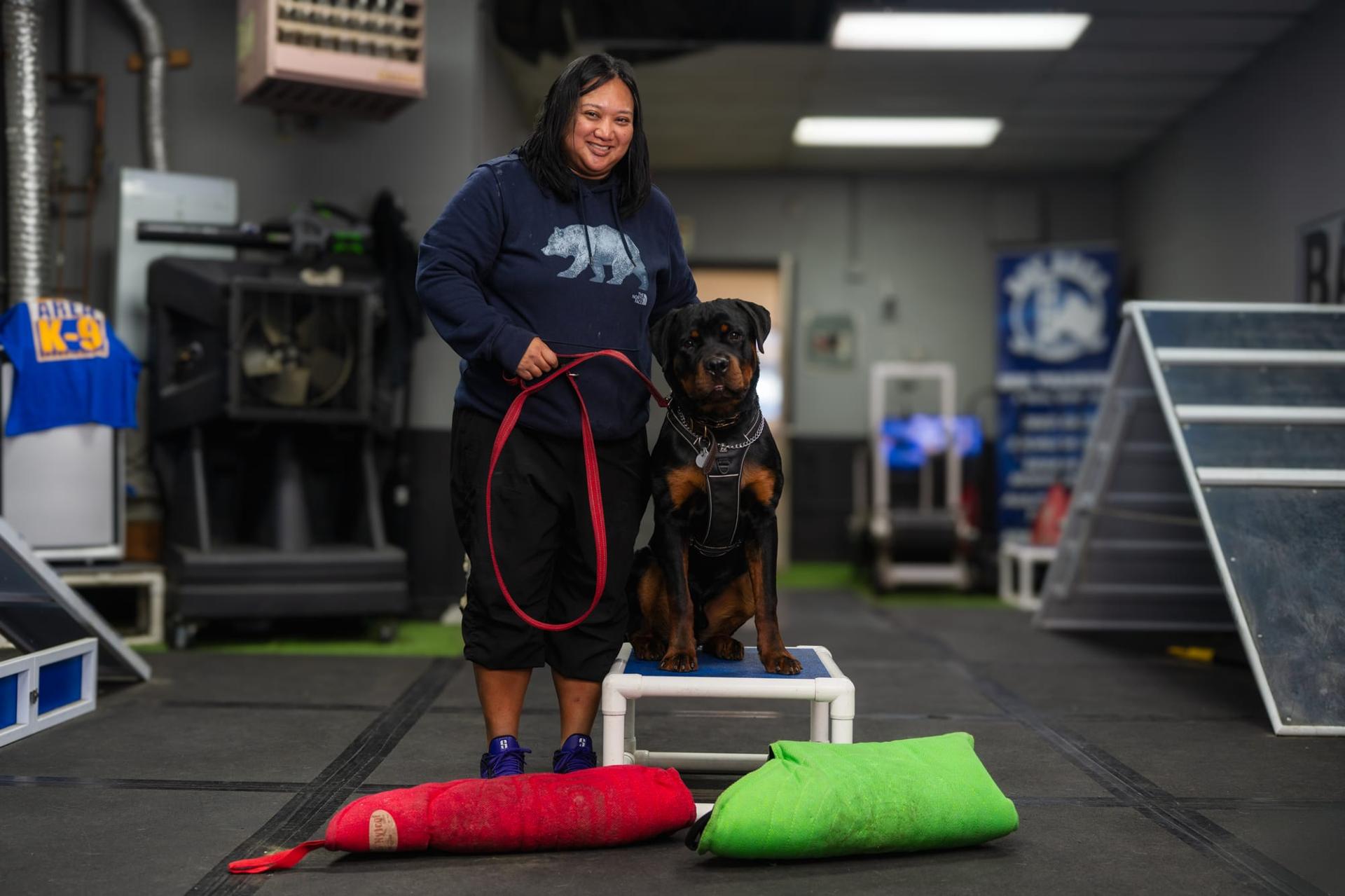
Everyday reliability
Dog obedience training in Santa Clara & San Jose
Your dog probably “knows sit.” Obedience is whether it still works when the doorbell rings, a cyclist passes or a squirrel crosses the path. We build the skill, then prove it where you actually live.
“His technique is very methodical, and extremely powerful, 30 minute training to the point.”
01Sound familiar?
Where owners usually start.
- Leash walks mean being pulled down the block
- Great in the kitchen, selectively deaf at the park
- The front door is a launch pad
- Recall is more of a suggestion
- Guests get jumped on, every time
- You can’t get your dog to settle when you need calm
02What we build
Inside obedience training.
- 01
Attention
Eye contact and check-ins that hold when the environment gets interesting.
- 02
Heel & loose leash
Walking with you, not ahead of you — through turns, stops and passing distractions.
- 03
Recall
Coming when called the first time, built from easy settings toward harder ones.
- 04
Place & settle
A clear off-switch: go to a spot and stay relaxed there while life happens.
- 05
Sit, down, stay
Positions with real duration and distance, not just a quick tap of the behind.
- 06
Doors & boundaries
Waiting at thresholds, cars and gates instead of bolting through them.
03Proofing
Where skills have to hold.
Fig. 03 — Proofing Dial
Turn up the pressure
Drag the dial or use arrow keys.
Home: no foundation is under heavy load must hold.
Home
Familiar smells, known people, few surprises. Where new skills are taught.
South Bay example — Living room, hallway, backyard
- 30%
Attention
Checks in with you without being asked.
- 20%
Recall
Comes back the first time, away from what’s interesting.
- 40%
Place
Settles on a spot and stays relaxed there.
- 25%
Heel
Moves with you through turns, stops and tight spaces.
- 10%
Neutrality
Notices people, dogs and food — and lets them go.
04What to expect
Honest expectations.
- 01
Training Match
Two minutes online or a phone call. Tell us what’s going on.
- 02
Free evaluation
In person, with your dog. Your trainer discusses your goals, your dog’s history and daily life.
- 03
Customized plan
A program built around your dog — private sessions, plus group sessions where they help.
- 04
Proofing
Skills practiced with real-world distractions until they hold.
- 05
Transfer
You learn to run it. Your participation is what makes it last.
Free · In person
Start with a free evaluation.
Every obedience training plan starts in person. Bring your dog, meet a trainer and talk through what’s going on — your trainer recommends a plan and explains why, before you pick a package.
- Cost
- Free
- Where
- In person, with your dog
- When
- Tuesday–Saturday, by appointment only
Private field rental
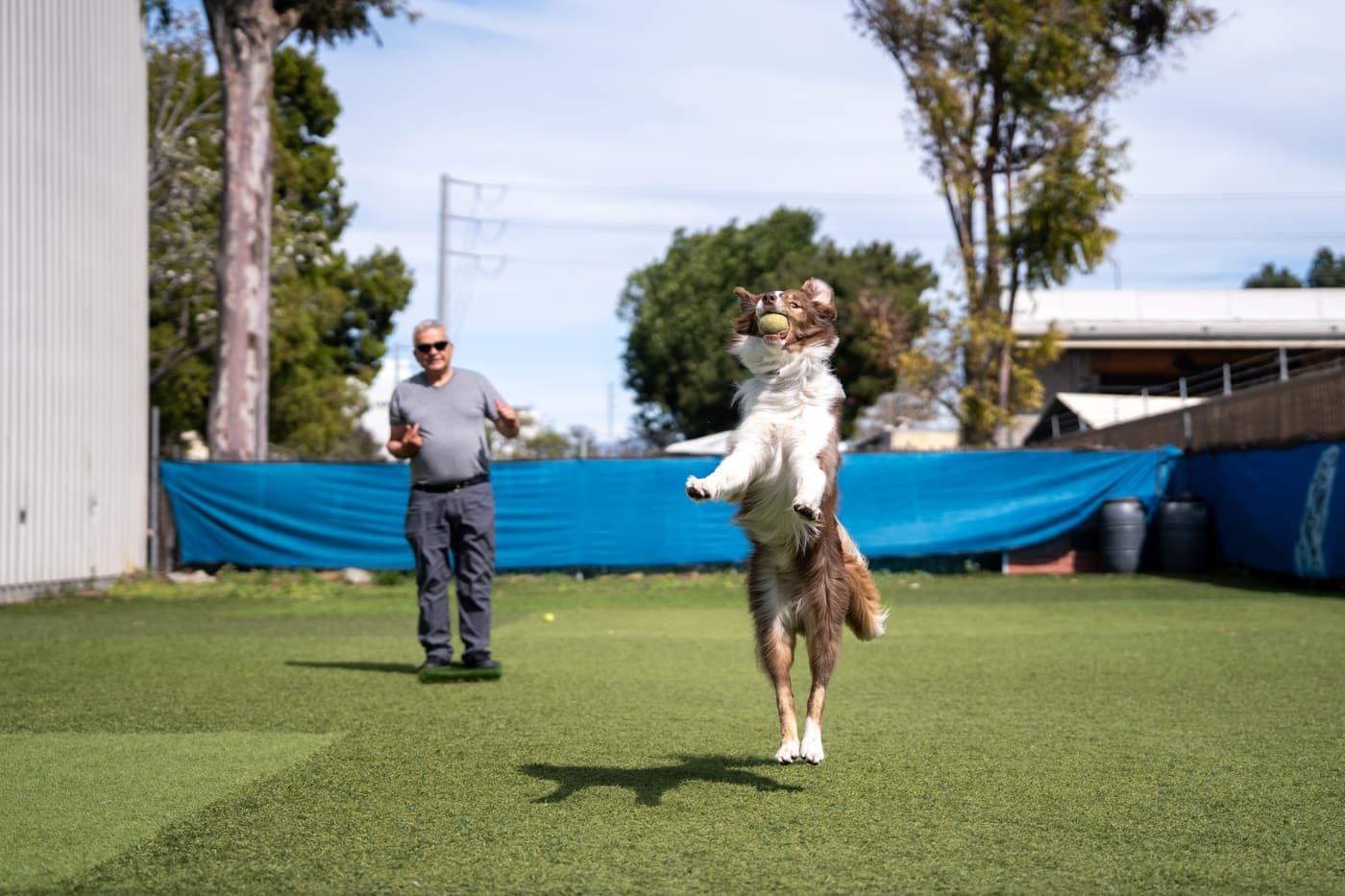
No backyard? Rent our field.
Practice your homework somewhere new: half an acre of fenced turf, yours by the hour.
Rated 4.9 out of 5· 1,700+ reviews on Sniffspot
Prefer to start at home?
The online version.
“His technique is very methodical, and extremely powerful, 30 minute training to the point.”
Questions
Obedience Training: common questions
What’s the difference between basic and advanced obedience?
Basic obedience covers essentials — sit, stay, come and heel — and suits puppies and adult dogs. Advanced obedience is for dogs who have completed basic, and adds more complex commands and harder situations.
Will my dog need treats forever?
No. Once a dog has mastered a behavior thoroughly, food is no longer necessary — though it’s always appreciated.
My dog doesn’t care about food. Can we still train?
Yes. Some dogs aren’t born inhaling everything in front of them, and that can even help. It means understanding what makes your dog tick and thinking outside the box — it isn’t insurmountable.
Do you offer group classes?
Yes. Current packages pair private sessions with group sessions, and returning members can add group session packs to keep practicing around other dogs and people.
Often combined with
Related programs
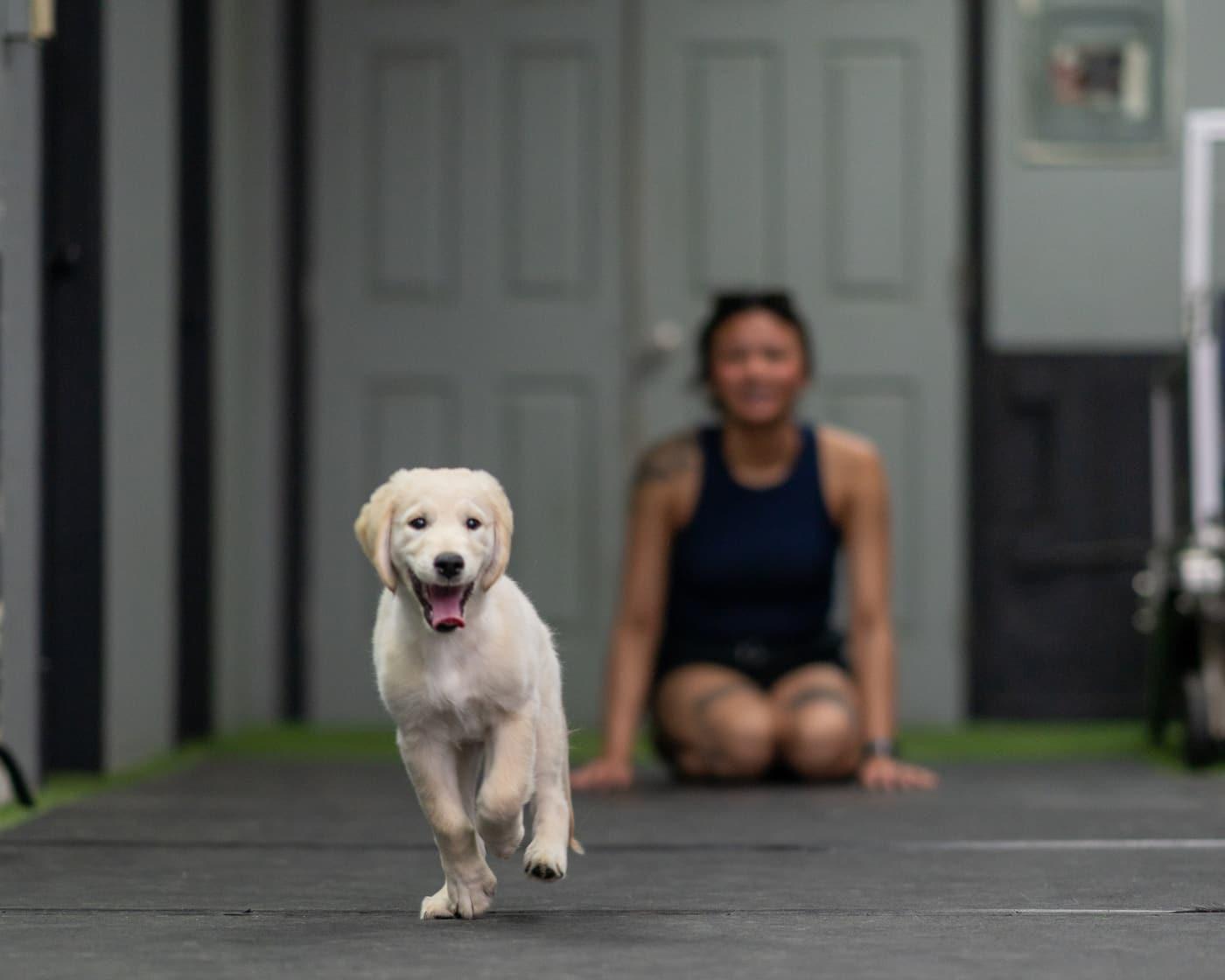 01 · Start right
Puppy Training
Biting, potty routines, crate comfort and leash foundations — before habits set.
Start here if“My puppy is biting, chewing and testing everything”
View program 04 · Earned freedom
Off-Leash Training
Recall, distance work and real-world distraction proofing for dogs ready to earn freedom.
Start here if“I want a recall I can actually trust”
View program
Obedience Training for owners in Santa Clara, San Jose, Sunnyvale, Cupertino, Mountain View and Los Gatos.